Why Choose LFP Recovery Australia

Engineering-led diagnostics, compliance-first transport, and a documented outcome for every battery. Australia’s dedicated battery recovery specialist.

There are shorter paths to disposing of a retired lithium battery. There aren’t many honest ones. We built LFP Recovery Australia around a straightforward promise: dismantle every pack, test every cell, recover what’s recoverable, and responsibly recycle what isn’t. Everything documented, nothing overpromised — an engineering-led approach to a circular battery economy.

What Sets Our Approach Apart

Cell-Level Diagnostics as Standard

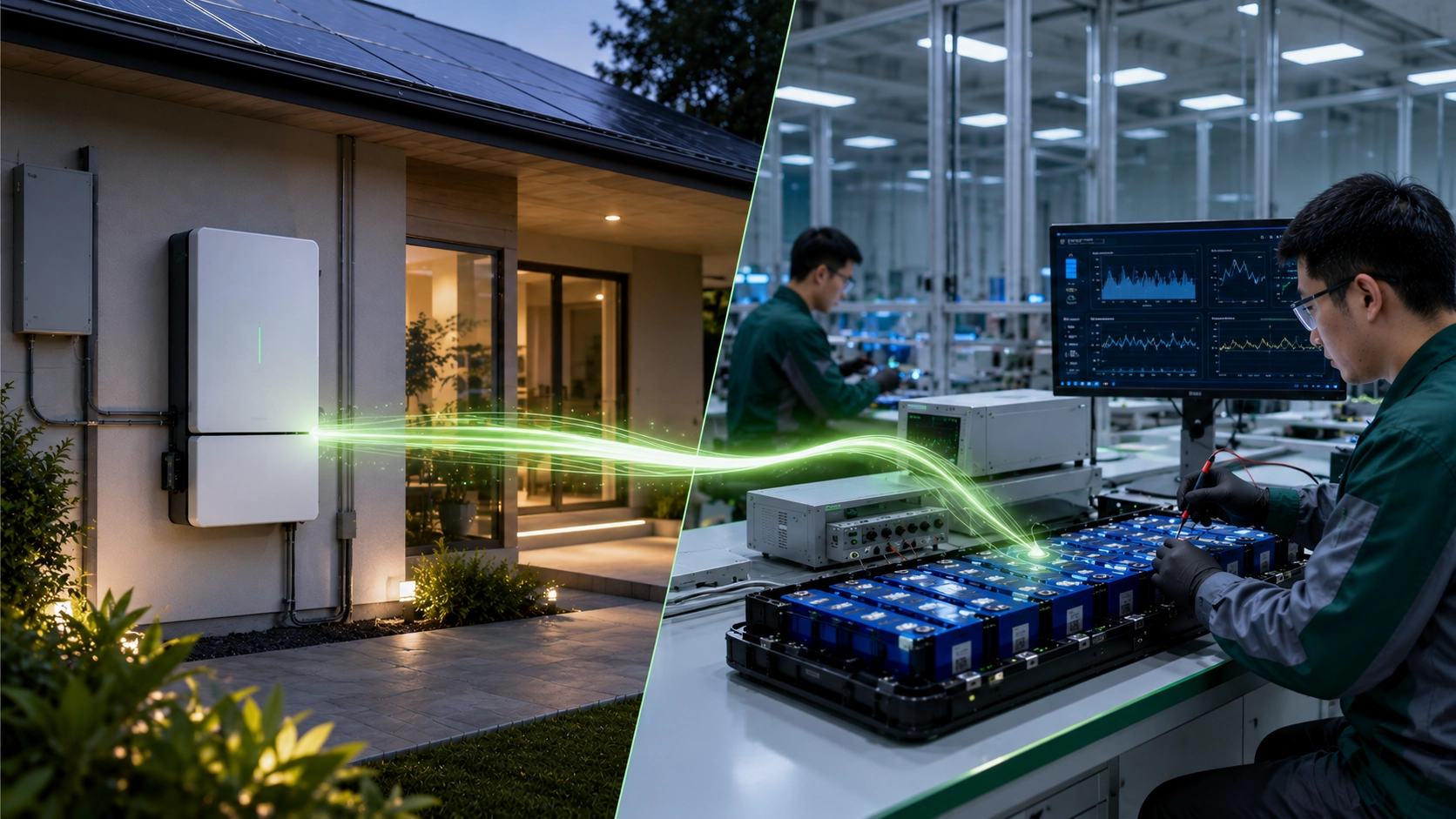
Most operators judge a retired battery by its label. We judge it by its cells. Every pack we collect is dismantled and each cell tested individually — voltage, internal resistance, and capacity. That’s how we know which cells earn a second life and which don’t.

Full End-of-Life Value Chain

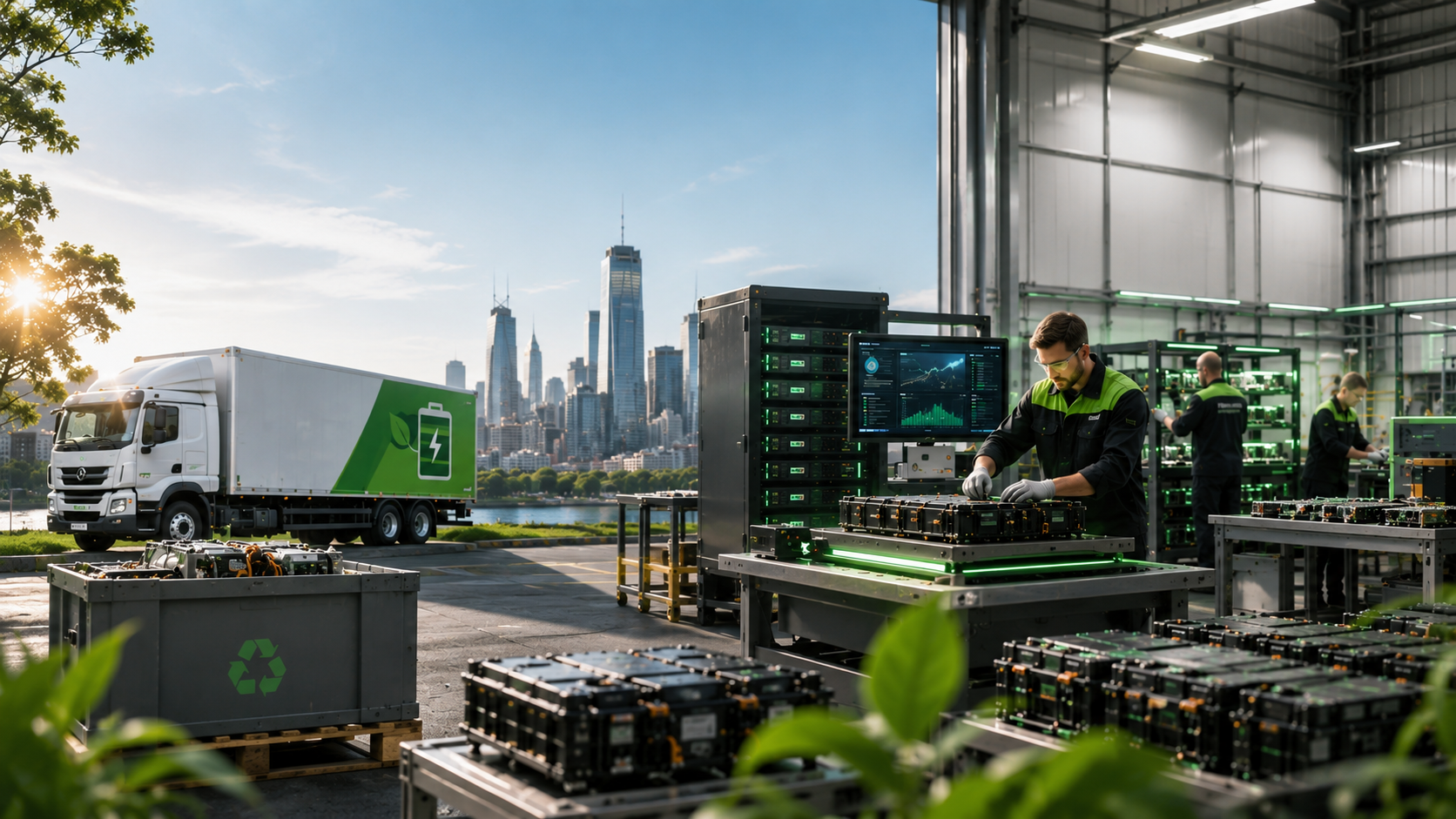
Collection, safe transport, storage, dismantling, cell-level diagnostics, recovery for reuse, and responsible recycling of unusable material — all under one operational roof. You don’t need to coordinate multiple providers.

CBD Coverage Australia-Wide

Collection available in Sydney, Melbourne, Brisbane, and the Gold Coast CBDs. Outside a CBD? We’ll assess case-by-case rather than send you away.

Aligned with Australian Standards

Our collection and transport processes are aligned with the Australian Dangerous Goods (ADG) Code and relevant AS/NZS standards. State EPA and Work Health and Safety requirements are built into how we operate — not bolt-ons.

Documented Chain of Custody

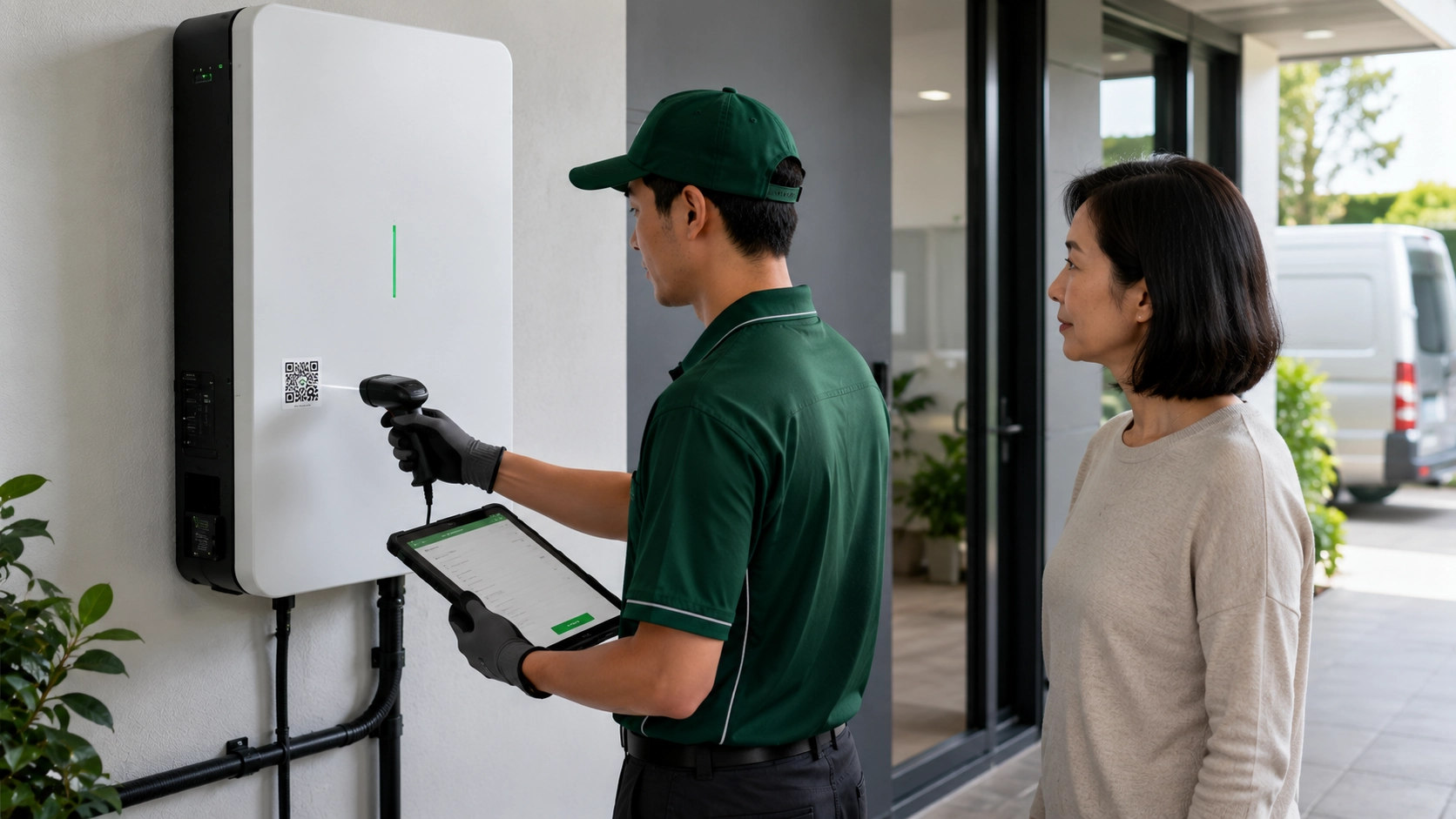
Every battery is tracked from pickup through to final outcome. You get documentation — not vague reassurance.

Honest About What We Can and Can’t Do

We don’t promise reuse for a specific battery before it’s been assessed. We don’t claim 100% recovery or 100% recycling. We don’t name approved recycling partners publicly. What we can guarantee is a documented, defensible outcome — and we tell you what it was.

Our Four Trust Pillars

Engineering

Cell-level diagnostics — voltage, internal resistance, capacity — on every cell in every pack. Not pack-level assumptions. Not label-based decisions. Measurable, repeatable, defensible.

Compliance

Class 9 packaging, ADG-aligned transport, chain-of-custody documentation, and alignment with relevant AS/NZS standards, state EPA requirements, and WHS obligations. Compliance is built in, not bolted on.

Innovation

Australia's end-of-life battery volume is going to grow. We're building the processes, diagnostic depth, and reporting infrastructure to handle scale and make cell-level recovery the standard, not the exception.

Circular Economy

Recover cells that can be safely recovered. Repurpose them where they earn a valuable second life. Responsibly recycle what can't. Document all three clearly and accurately. That's the whole promise.

Who We Serve

  • Homeowners with retired solar batteries and home ESS.
  • Solar installers and electricians with client batteries to remove.
  • Businesses decommissioning commercial energy storage systems.
  • Companies replacing or upgrading existing battery installations.
  • EV owners with retired battery packs.
  • Fleet operators with multiple retired EV or ESS batteries to decommission at scale.

If you have an end-of-life LFP (LiFePO₄) or NMC battery and you’re in an Australian capital city CBD, you’re in the right place.

The Frameworks We Work Within

Australian Dangerous Goods (ADG) Code — governing lithium battery transport as Class 9 dangerous goods.

AS/NZS standards relevant to battery handling, storage, and workplace safety.

State EPA requirements across each state and territory we service.

Work Health and Safety (WHS) obligations for damaged and end-of-life batteries.

We describe our alignment with these frameworks in general terms. Where a specific certification applies to our operations, we’ll say so — we don’t claim credentials we don’t hold.

Collection Request

Start the Process

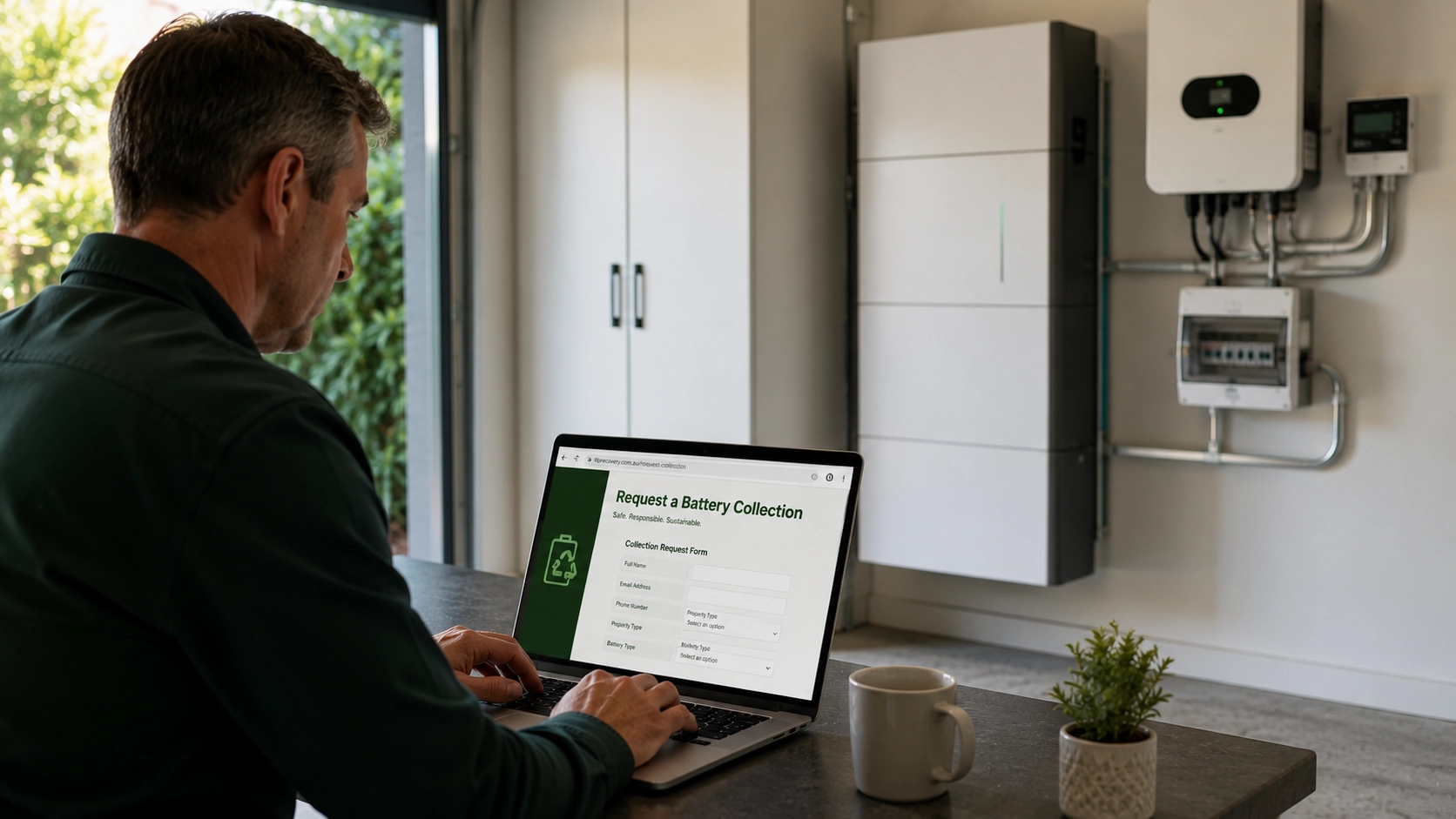
Submit a Collection Request with your battery details, and our team will respond by email with next steps.

FAQ Preview

Scrapping treats the whole pack as failed. We treat each cell as its own decision. That means better outcomes for value recovery and material circularity.

Chain of custody is documented — pickup, transport, dismantling, testing, and final outcome. You receive the record.

Submit the form with photos and whatever detail you can provide. Our team will figure it out with you.

Have Questions?
Call Us +61 451 309 844 or +61 421 652 132