Six steps from Collection Request to final outcome. Every battery dismantled. Every cell tested. Every step documented.
We built our process around a simple principle: a retired lithium battery deserves a decision, not a shortcut. That means dismantling every pack we collect, testing every cell inside it, and giving each cell the outcome it actually earns — reuse where it meets our standards, responsible recycling where it doesn’t. Here’s how it works, end to end.

You submit the online Collection Request form with your battery details — type, chemistry, capacity, age, condition, location, and photos where possible. The more accurate the information, the faster we can quote and schedule.
What we need from you: battery manufacturer and model, approximate capacity in kWh, whether it’s still installed, whether it’s damaged, and clear photos.

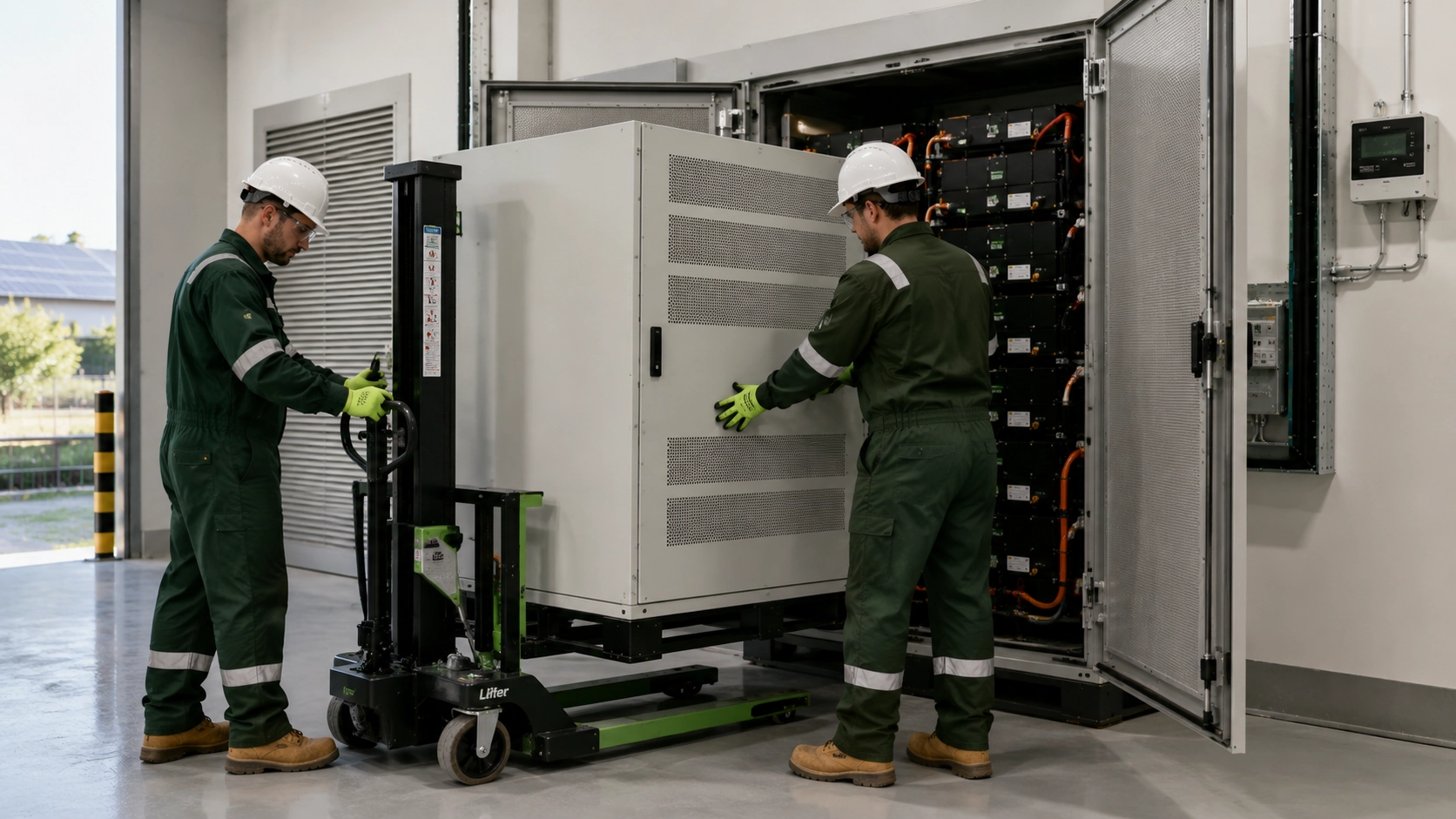
Once your request is reviewed and confirmed, we arrange pickup from your site. Our handlers are trained in the specific risks of end-of-life lithium — including packs that are swollen, thermally unstable, or physically damaged.
Batteries are packaged and secured to Class 9 dangerous goods requirements before they leave your site.

Transport is carried out in line with the Australian Dangerous Goods (ADG) Code, which governs the movement of lithium batteries as Class 9 dangerous goods. Documentation travels with the battery — so chain of custody is intact from the moment we lift it.
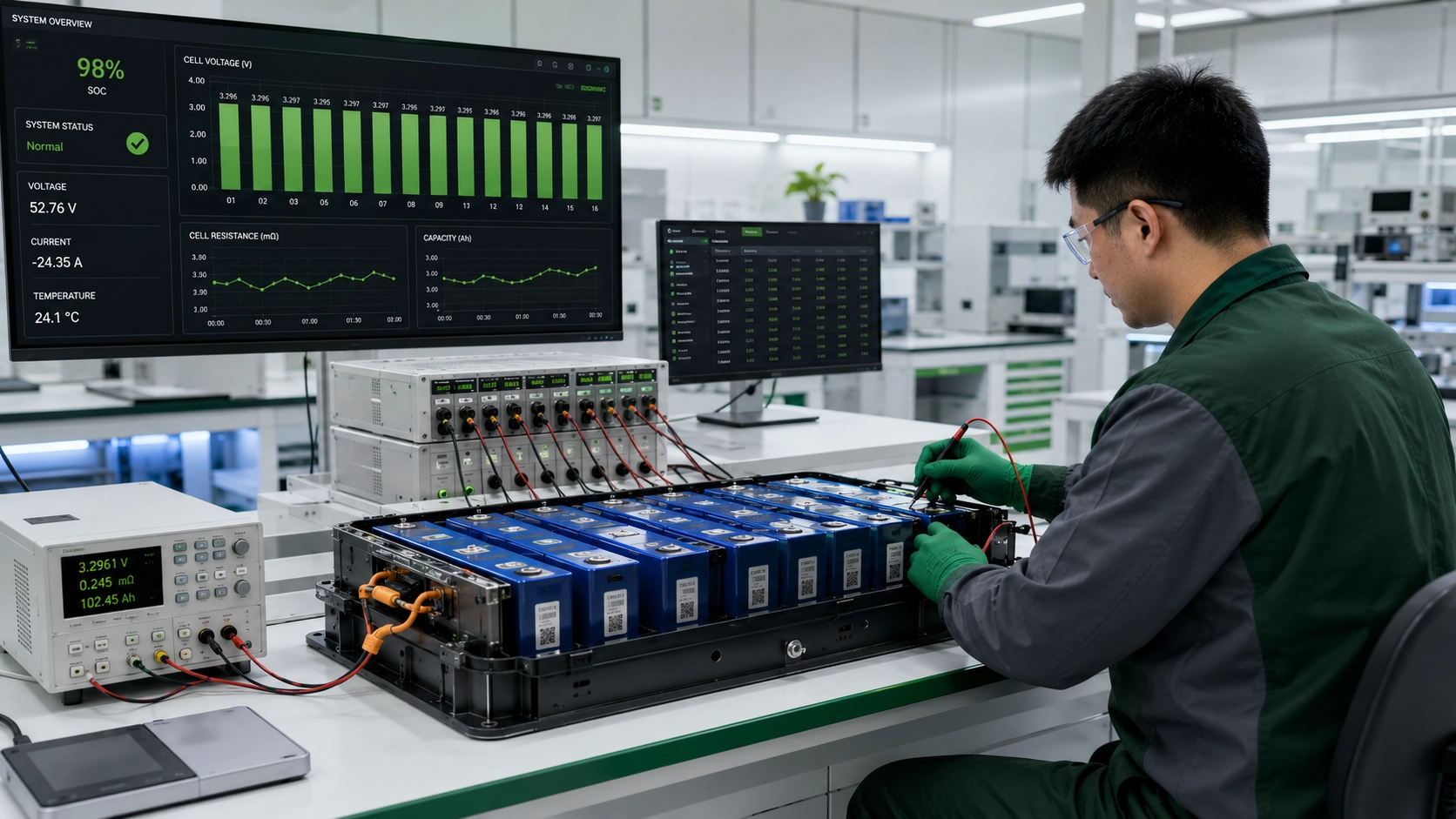
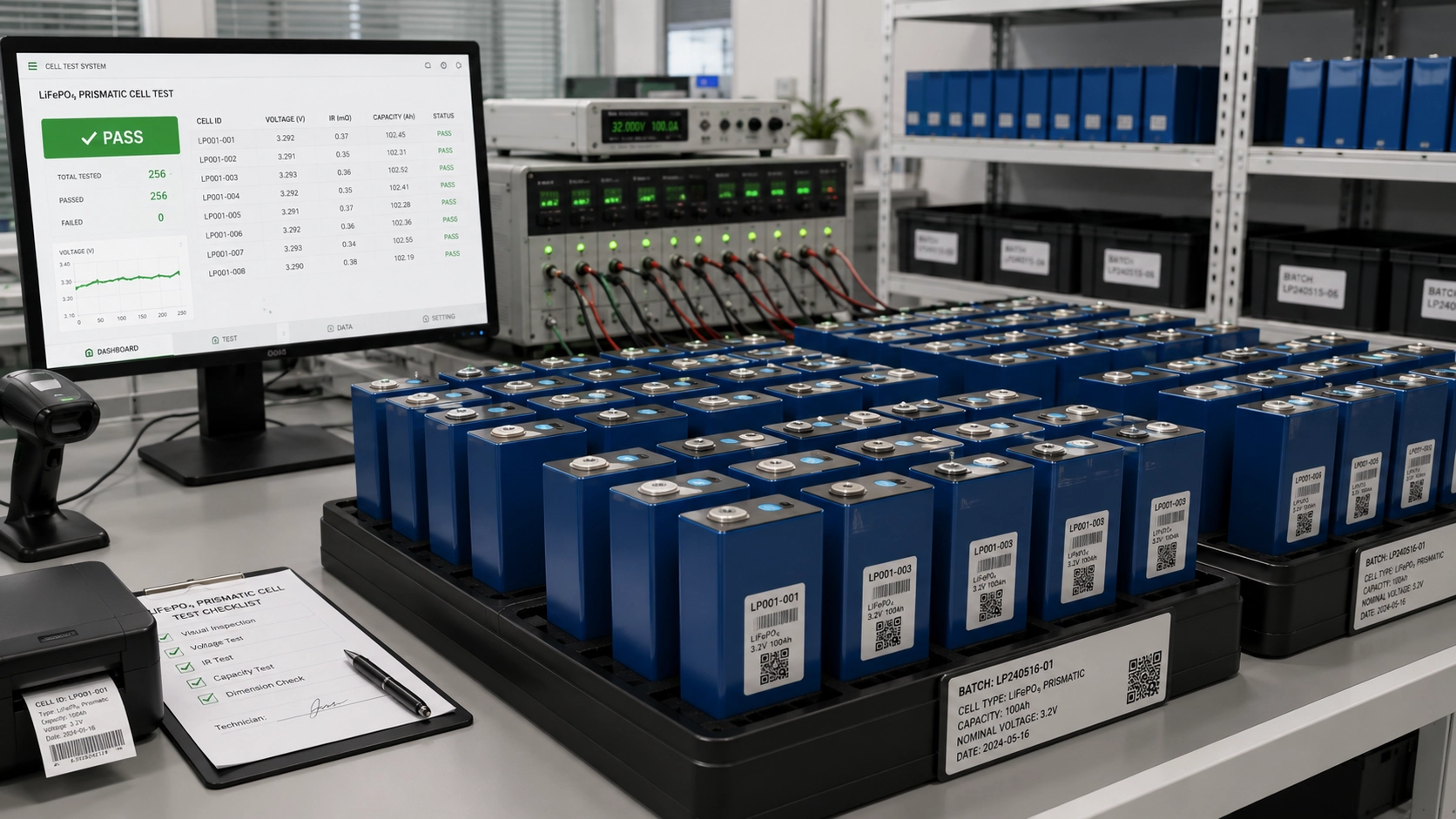
At our facility, the battery is dismantled under controlled conditions. Each cell is individually tested — voltage, internal resistance, and capacity — to determine whether it still meets our reuse standards.
A pack that arrives with a “failed” label is often part failed and part usable at the cell level. This step is where we find out.
Cells that pass testing are set aside for potential second-life applications. Recovered cells suitable for reuse are made available through our parent brand, BESS Australia — the buying audience there is pack builders, engineers, and R&D teams.
We can’t promise reuse for any specific battery until it has been assessed. It’s a decision the cells make, not the label.
Cells that fail testing — through degradation, damage, or thermal history — are routed to approved recycling partners who handle lithium battery material streams. Nothing goes to general waste. Nothing is stockpiled indefinitely.

Our collection, transport, and handling processes are aligned with:
We describe our alignment with these frameworks factually — we don’t claim certifications we don’t hold.
A documented outcome. That’s the point of the whole process. When your battery has been assessed, you get:
No vague endpoints. No “we’ll take care of it” without specifics.
Turnaround depends on battery type, condition, and current volume. We'll set expectations at the quote stage.
No. Collection is a one-way process — batteries submitted for collection are assessed and routed to their next outcome. If you're looking to have a battery serviced or evaluated for continued use, that's a different conversation.
Yes — chain-of-custody documentation is standard on every collection.
Submit a Collection Request with your battery details, and our team will respond by email with next steps.
Copyright © 2026. All Rights Reserved.