CBD Coverage

LFP Battery Collection

Retired home battery, decommissioned ESS, EV pack, or full fleet decommissioning — we collect it safely, transport it compliantly, and give it a documented outcome.

If you have an end-of-life LFP (LiFePO₄) battery — or an NMC pack, a decommissioned residential or commercial ESS, a retired EV battery, or a fleet of batteries reaching end of life — you need it collected by a team that treats it as the dangerous good it now is. LFP Recovery Australia collects across CBDs nationwide, packages every battery to Class 9 requirements, and moves it under the Australian Dangerous Goods Code. Here’s what you can expect.

What We Collect

Home Batteries

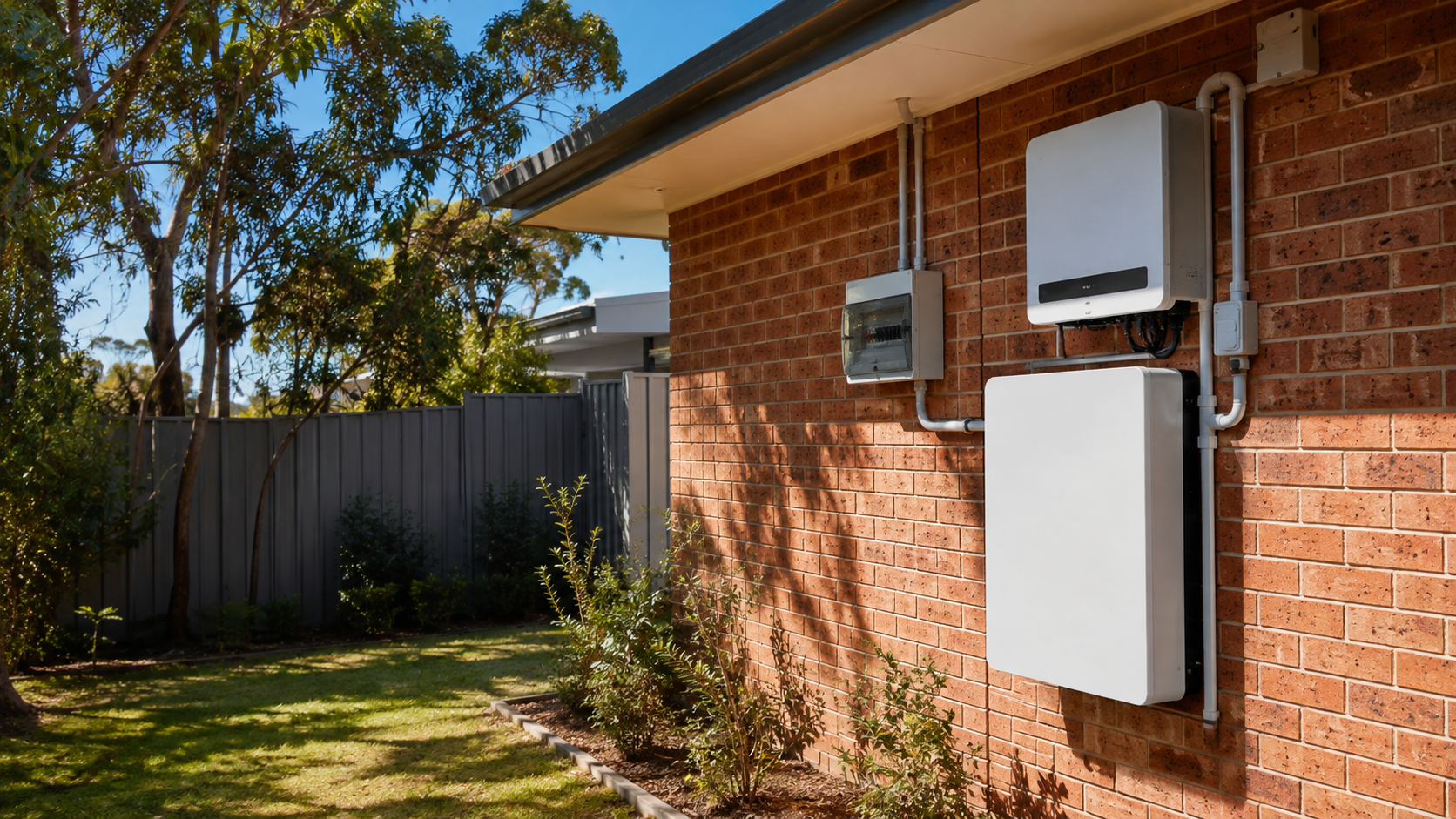
Residential LFP (LiFePO₄) and NMC batteries — including retired solar batteries, wall-mounted units, and older home ESS.

Residential and Commercial ESS

Larger-format energy storage systems being decommissioned, replaced, or upgraded. From single-cabinet home systems to multi-rack commercial installations.

EV Battery Packs

Retired EV lithium battery packs (EV LIBs) in LFP or NMC chemistry — including damaged, end-of-first-life, and warranty-return packs.

Fleet Decommissioning

Multi-battery decommissioning jobs for fleet operators — EV fleets, delivery fleets, commercial ESS estates, and any operation retiring more than a single unit at a time. Volume-scaled scheduling, consolidated documentation, single chain-of-custody trail across the whole job.

LFP and NMC Chemistries

We collect two lithium chemistries:

  • LFP / LiFePO₄ (Lithium Iron Phosphate) — our primary specialty, and the chemistry most common in Australian home and commercial ESS.
  • NMC (Lithium Nickel Manganese Cobalt Oxide) — including EV packs and some commercial ESS.

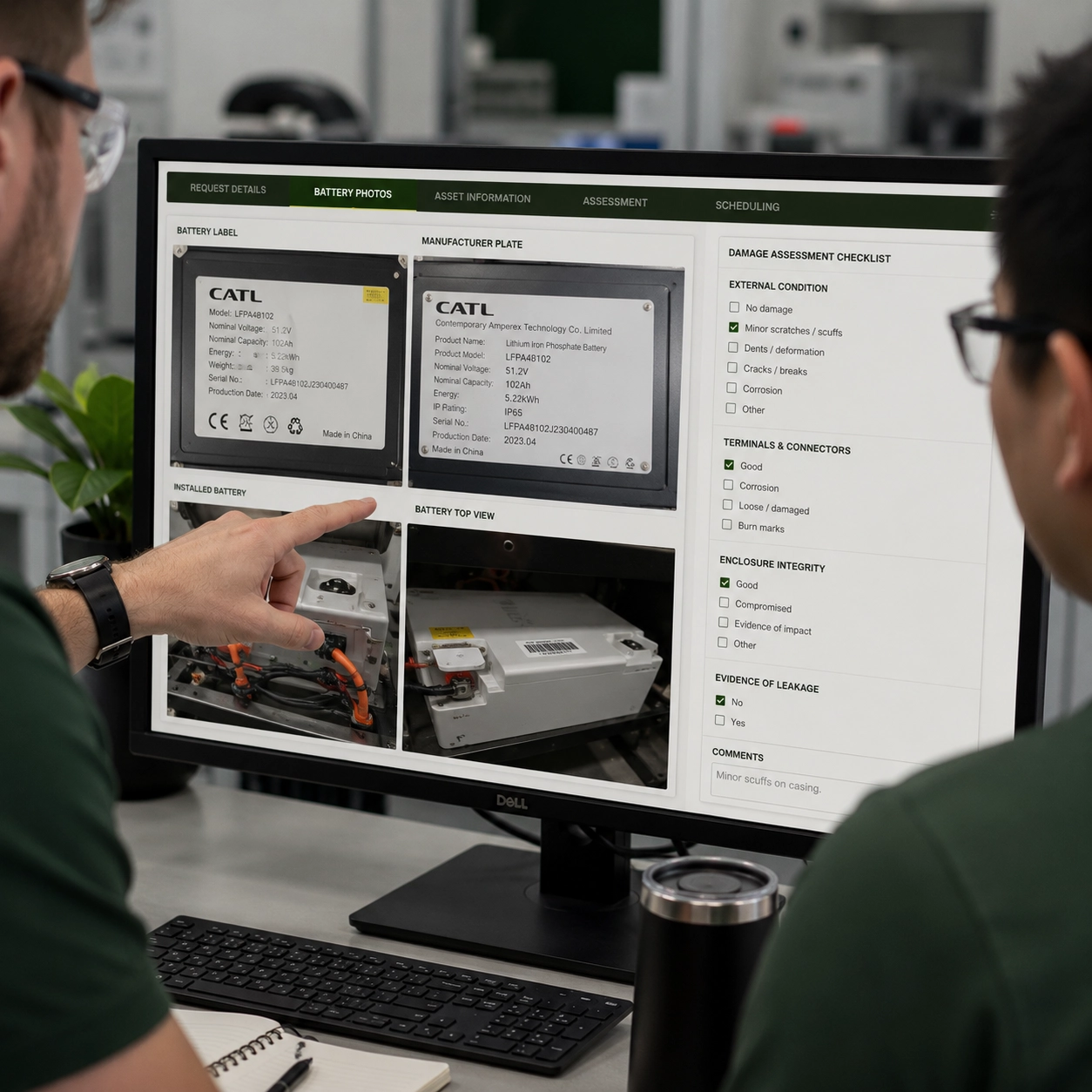
If you’re unsure which chemistry your battery is, submit the form with photos and we’ll advise.

Damaged or Thermally Unstable Packs

Swollen batteries, packs with prior thermal events, or physically damaged units — we’re set up for these, but you need to flag the condition when you submit the request so we arrive with the right equipment and handling.

Service Area

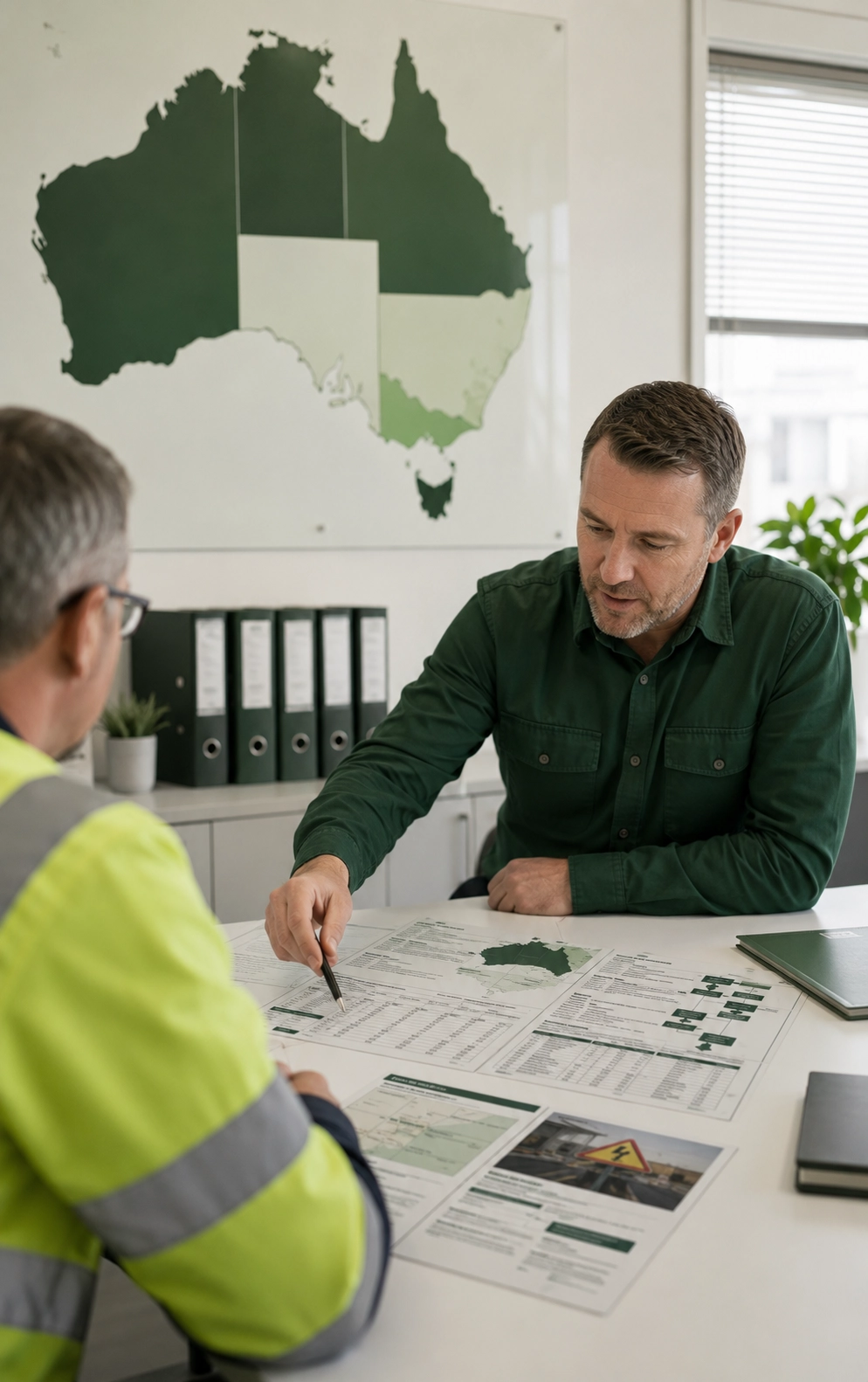
Collection is available in Sydney, Melbourne, Brisbane, and the Gold Coast.

Outside a capital city CBD? Submit a collection request and we’ll let you know if we can help. Outer suburbs, regional, and remote pickups are assessed case-by-case by our operations team — we’d rather review your submission than turn you away at the door.

What That Actually Means

Safe Collection

“Safe” is a word that gets used a lot around batteries. Here’s what it means in our process:

Trained handlers

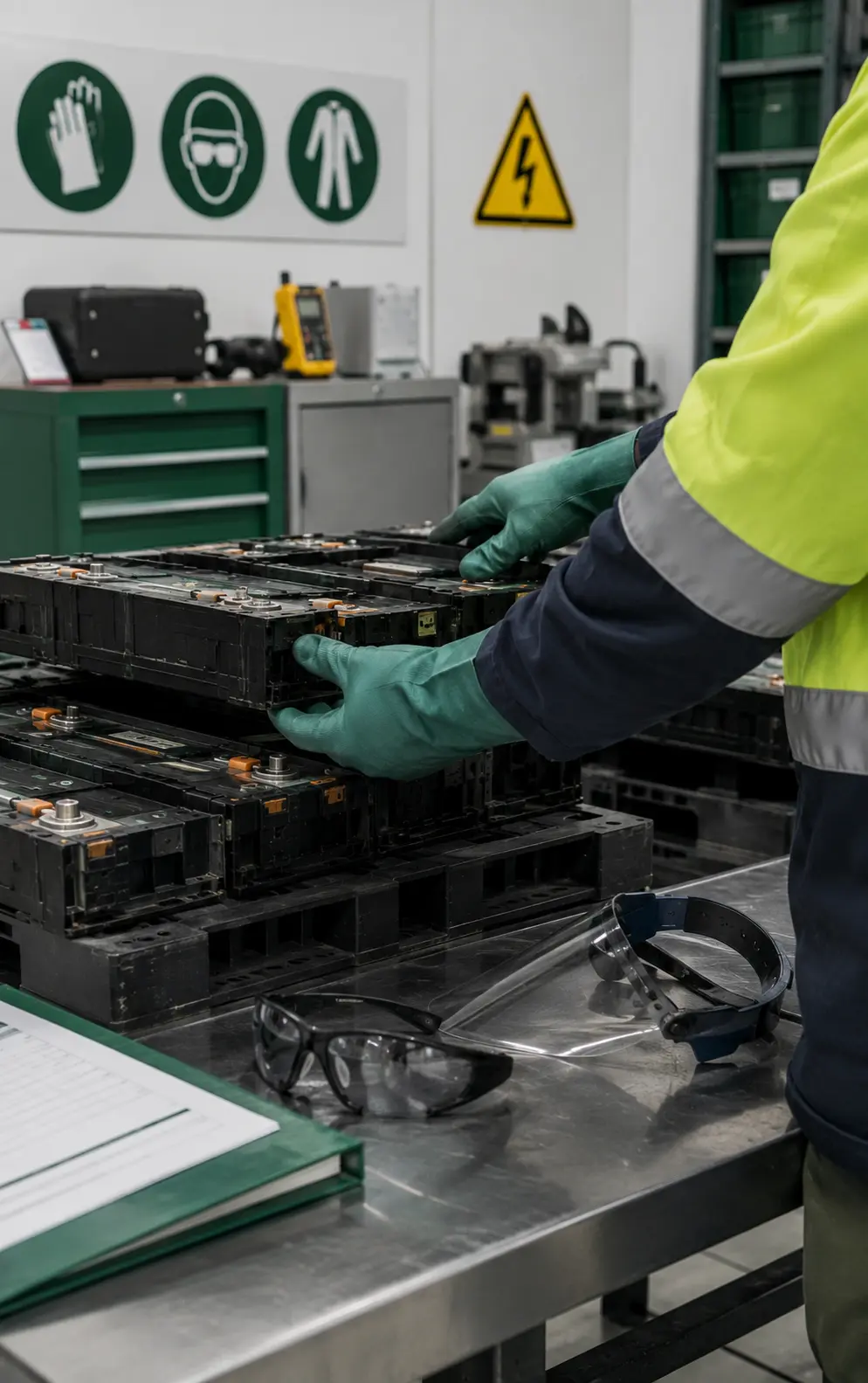
Our collection team is trained on end-of-life lithium risks specifically — thermal runaway, off-gassing, damaged casings, and the practical realities of moving a heavy pack out of a domestic or commercial site.

Class 9 packaging

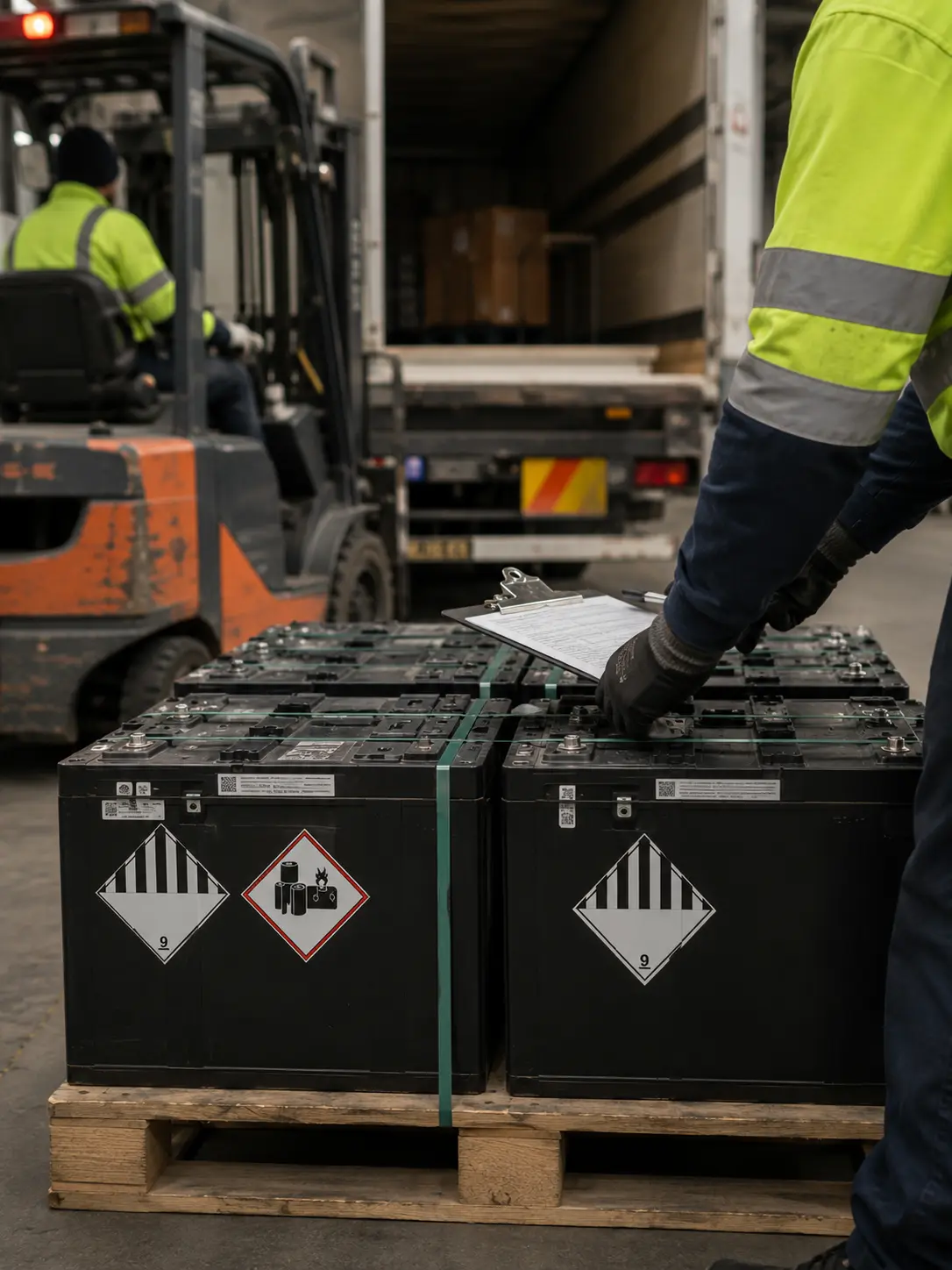
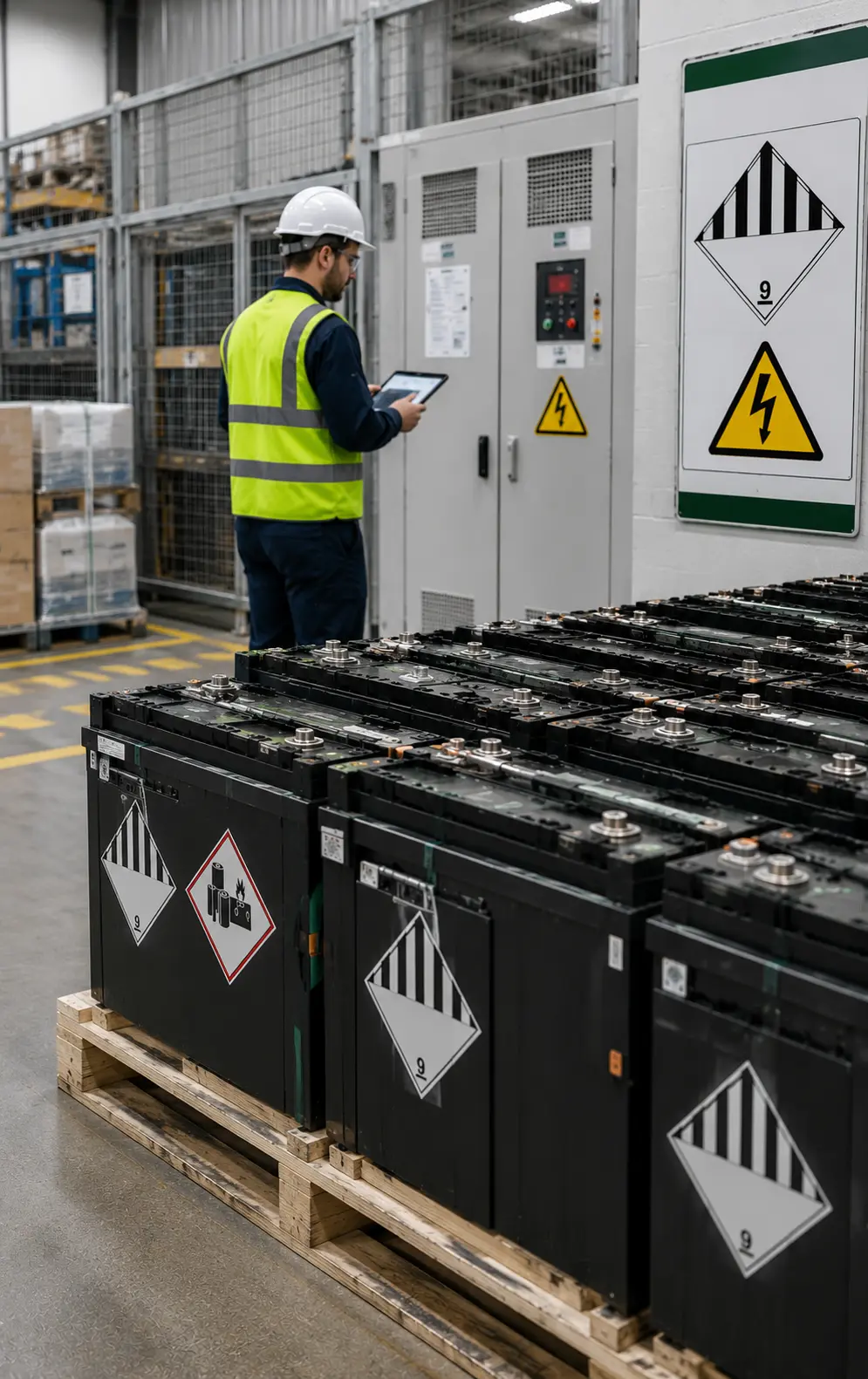
Batteries are packaged and secured to meet the requirements for Class 9 dangerous goods before they leave your site. That's a compliance requirement, not an upsell.

ADG-aligned transport

Movement of your battery is aligned with the Australian Dangerous Goods (ADG) Code — the framework that governs how lithium batteries are transported in Australia.

Documented chain of custody

From pickup to final outcome, the battery is tracked. You get documentation that shows what we did with it.

What Happens Before Pickup

Once your Collection Request is submitted:

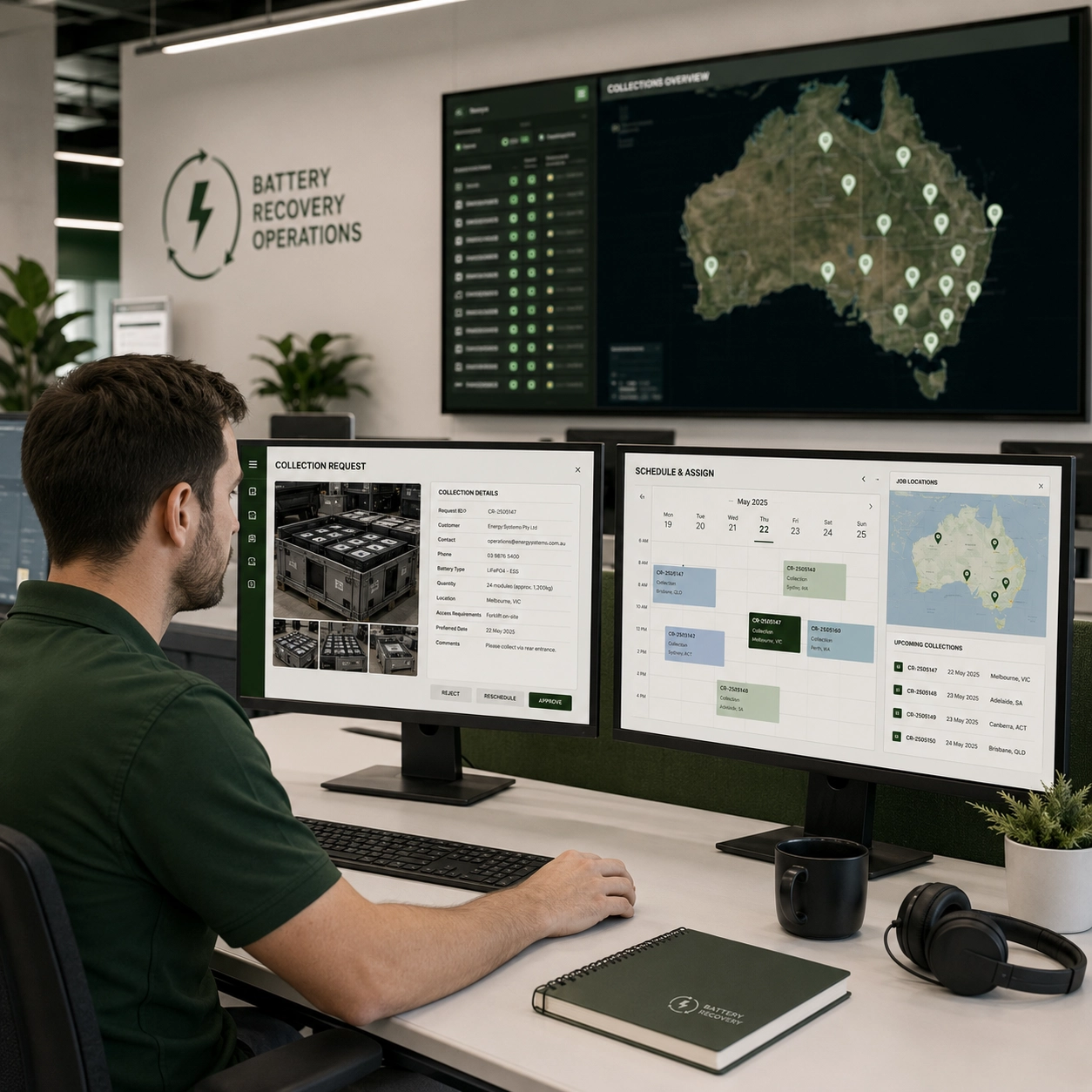
  1. Review — Our operations team reviews your details and photos.
  2. Quote and scheduling — We’ll come back to you by email with the quote and proposed collection window. Turnaround from request to first response.
  3. Preparation — For batteries that are still installed, we may ask you to arrange de-installation before pickup, depending on the setup. For loose or already-removed packs, we handle it from there.
  4. Site access — Confirm parking, lift access, stairs, or any other constraints in the “Site Access Notes” field on the form.

Typical lead time from confirmed booking to pickup: 2-3 business days — subject to location, battery condition, and volume.

Have Questions? Call Us +61 421 652 132

The Standards Our Collection Is Aligned With

Australian Dangerous Goods (ADG) Code — Class 9 transport requirements for lithium batteries.

AS/NZS standards relevant to battery handling, storage, and workplace safety.

State EPA requirements for waste and controlled-substance handling in each state and territory we operate in.

Work Health and Safety (WHS) obligations for handling damaged and end-of-life batteries.

FAQ Preview

Single-unit collections are welcome. Larger decommissioning jobs are also handled — indicate the volume in the form.

Tell us in the form. We'll advise whether de-installation needs to happen before pickup or whether it can be part of the collection.

Yes — but the condition must be declared and photographed before we arrive. Do not attempt to disturb a thermally unstable pack yourself.

Chain-of-custody documentation as standard, plus confirmation of the final outcome for your battery.

Collection Request

Ready to Book a Collection?

Submit a Collection Request with your battery details, and our team will respond by email with next steps.

    Recent Articles

    Our Latest Blog

    How to Dispose of a Home Battery in Sydney

    How to Dispose of a Home Battery in Sydney

    Retired home battery in Sydney? Why kerbside and skip bins aren't an…

    Battery Recovery vs Battery Recycling: What’s the Difference?

    Battery Recovery vs Battery Recycling: What’s the Difference?

    Recovery and recycling aren't the same thing. How cell-level recovery differs from…
    Exploring the Latest Innovations in Solar Technology

    Exploring the Latest Innovations in Solar Technology

    Retired LFP battery? Here's what happens at each stage — collection, transport,…