One Cell at a Time

Battery Recovery & Repurposing

Not every retired battery is finished. We dismantle every pack, test every cell, and give each one the outcome it actually earns.

The label on the outside of a retired battery tells you very little about what’s inside it. A pack marked “end of life” often contains cells that are still within reusable specification, mixed with cells that have failed. Cell-level assessment is the only honest way to sort them. That’s what we do — and it’s why some cells get a second life while others are routed straight to recycling.

Why Cell-Level Matters

1.Recovering Value Before Recycling

Sending a whole retired pack straight to shredding writes off the cells that still hold useful capacity. Cell-level assessment finds them — so recoverable value doesn’t disappear into a shredder along with the failed cells.

2.More Circular, Less Extracted

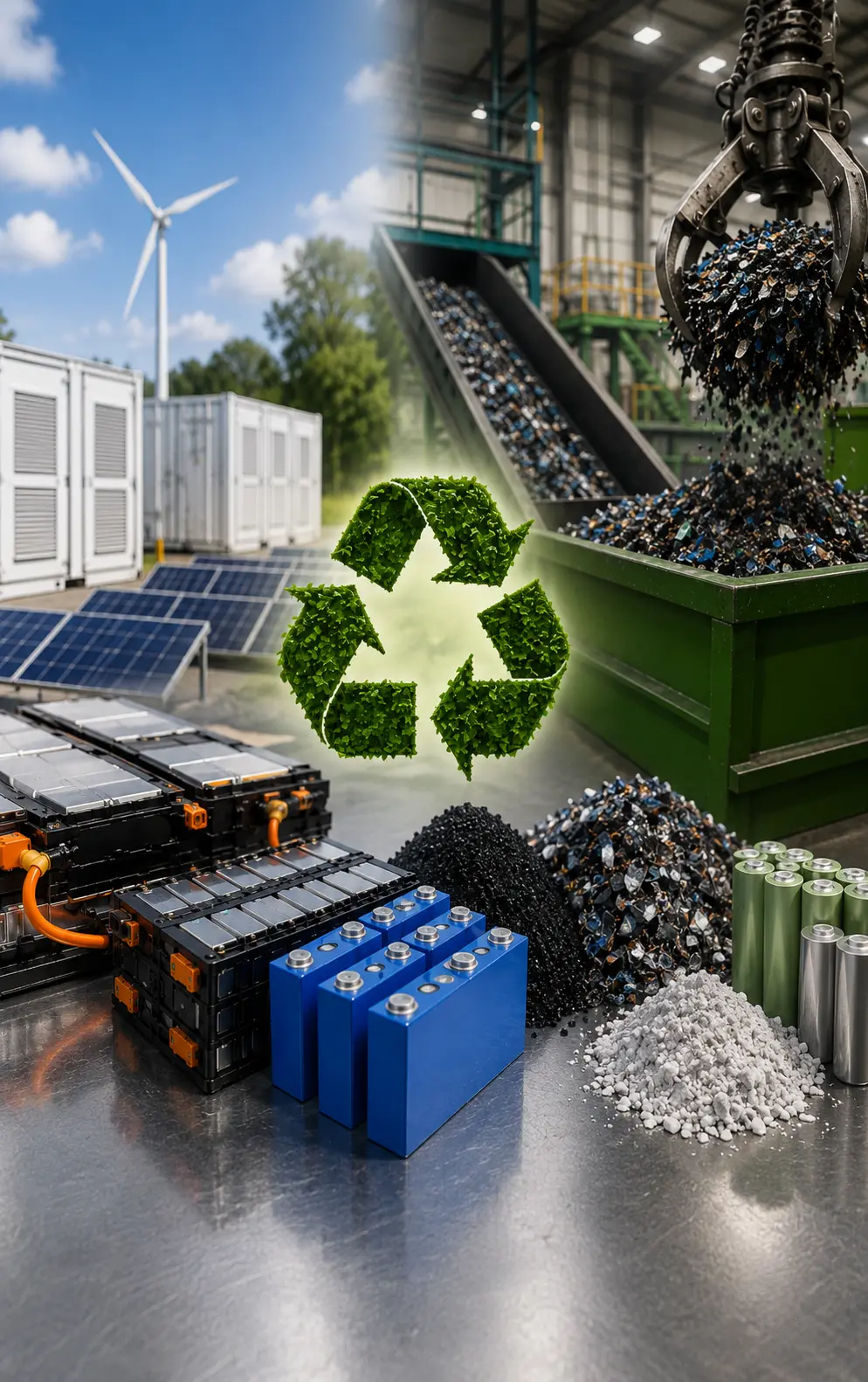
Every cell we recover for reuse is one less cell manufactured from newly mined lithium, cobalt, nickel, or graphite. That’s a real material contribution to a circular battery economy — not a marketing angle.

3.Honest Outcomes

Not every battery can be recovered. Not every cell will pass testing. Cell-level diagnostics let us give each battery an honest outcome — reuse where it’s earned, recycling where it isn’t.

How Recovery Works

1.Controlled Dismantling

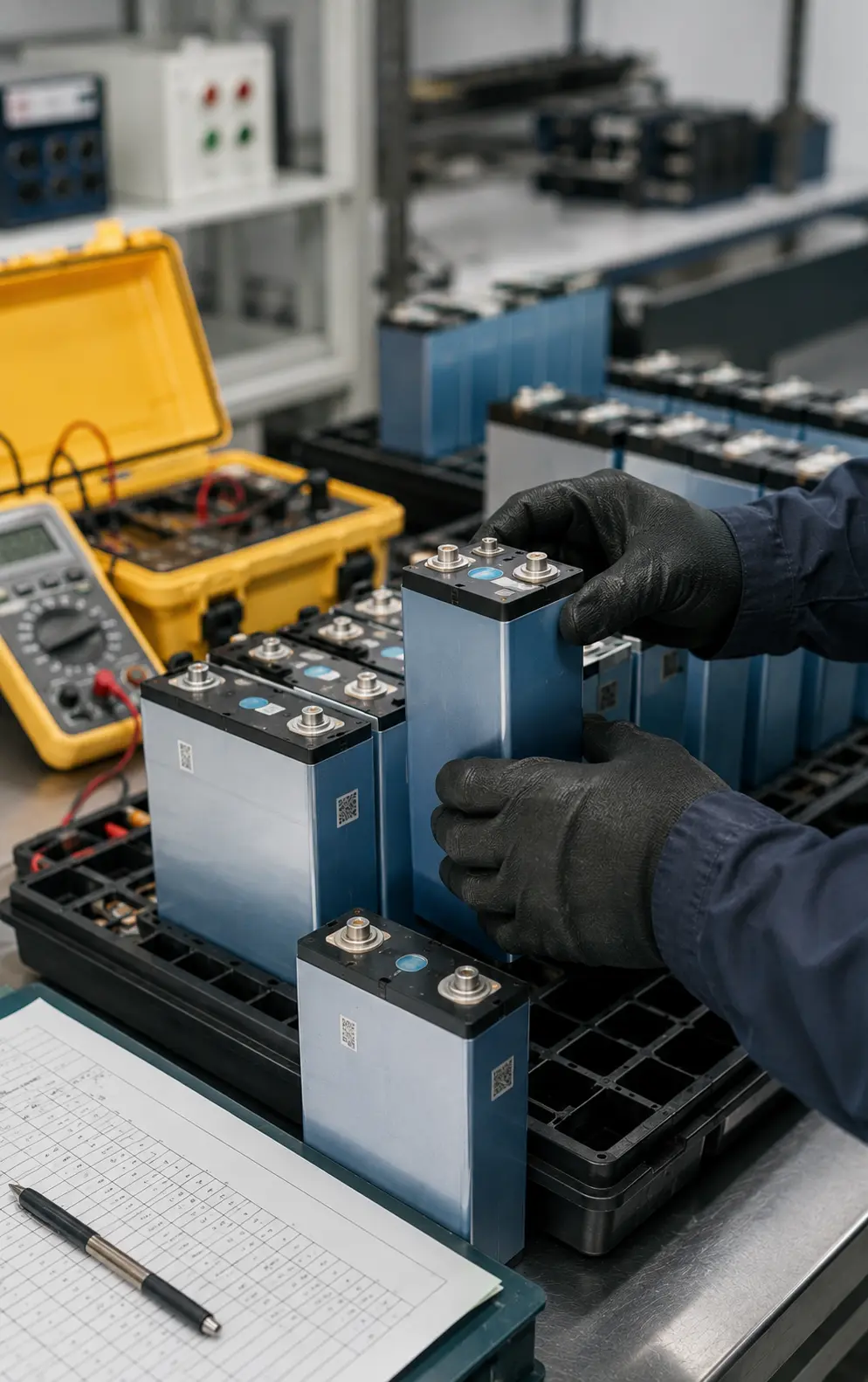
The battery is dismantled at our facility under controlled conditions — the environment, tooling, and handling protocols matched to the specific chemistry and condition of the pack.

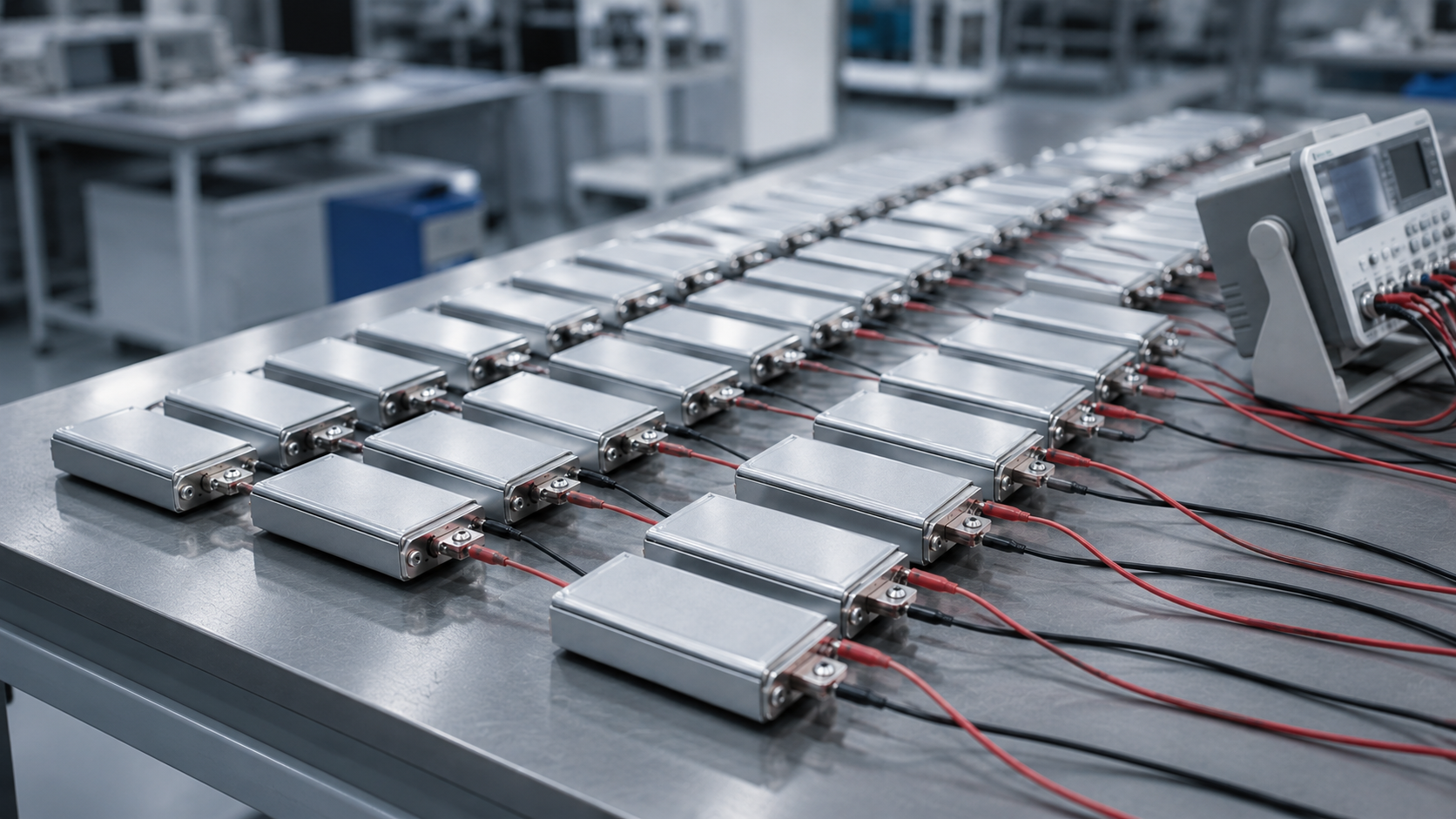
2.Cell-Level Testing

Each cell is tested individually:

  • Voltage — Is the cell within its operating window?
  • Internal resistance — How much has the cell degraded electrically?
  • Capacity — How much of the original capacity remains?

Together, these measurements tell us whether a cell is fit for reuse.

3.Sorting

Cells that pass testing are set aside for potential second-life applications. Cells that fail — through capacity loss, high internal resistance, physical damage, or thermal history — are routed to responsible recycling.

4.Documentation

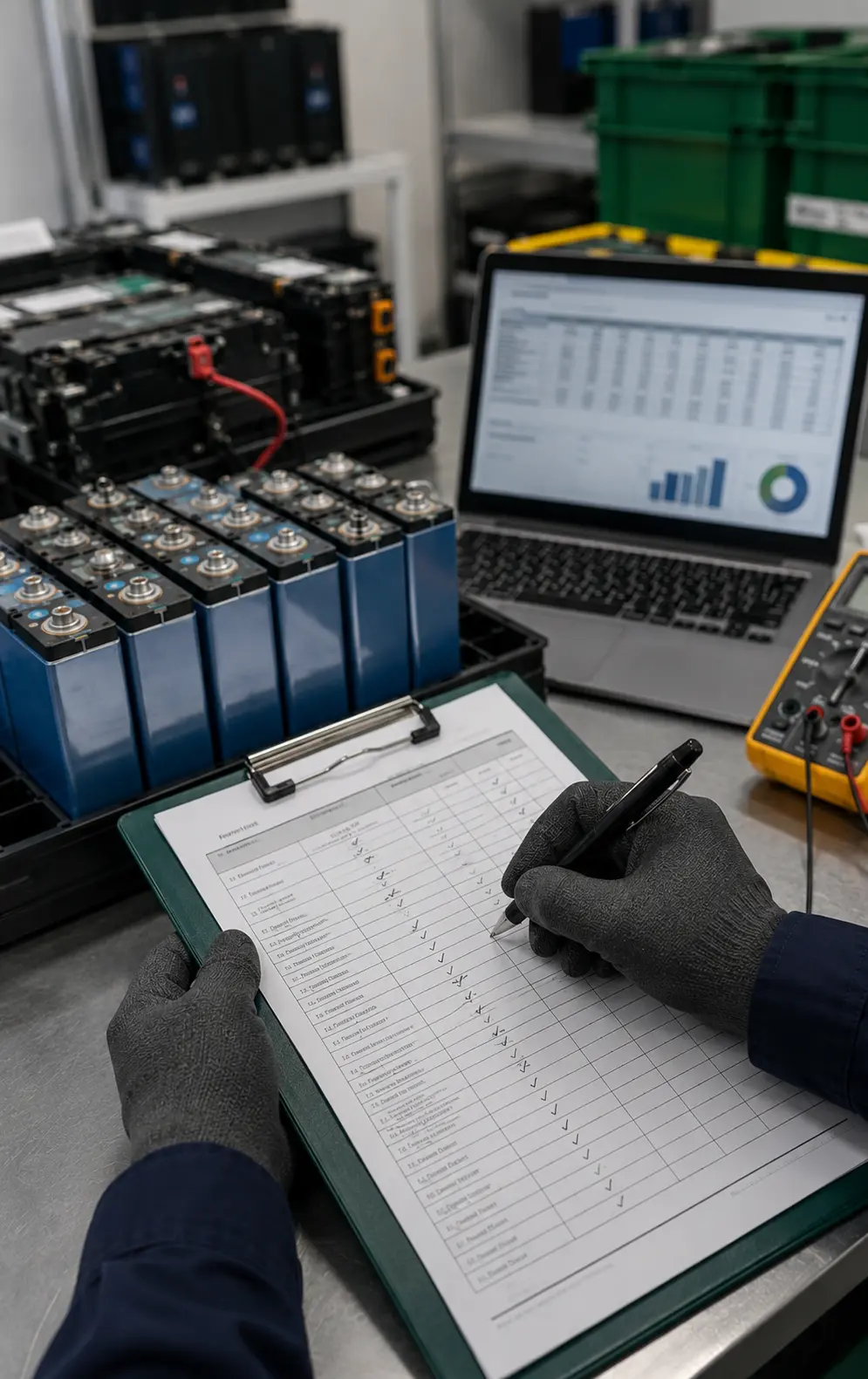
Each battery’s outcome is recorded — how many cells were recovered, how many went to recycling, and how the chain of custody was maintained.

What "Recovered for Reuse" Actually Means

A recovered cell is a cell that:

  • Meets our voltage, internal resistance, and capacity thresholds
  • Has no physical damage or evidence of thermal event
  • Is stable enough to enter a second-life application in the hands of a qualified pack builder or engineer

We can’t promise reuse for any specific customer’s battery. It’s a decision the cells make when they’re tested, not something we can guarantee up front. That’s the honest version.

What "Responsible Recycling" Means

Cells that fail testing go to approved recycling partners who handle lithium battery material streams under Australian regulatory frameworks. No batteries stockpiled indefinitely. No unknown endpoints. No general waste.

We don’t publish the names of our recycling partners — but we do document, for each collected battery, that its failed cells went through this route.

Why the Whole Pack Doesn't Have to Be Written Off

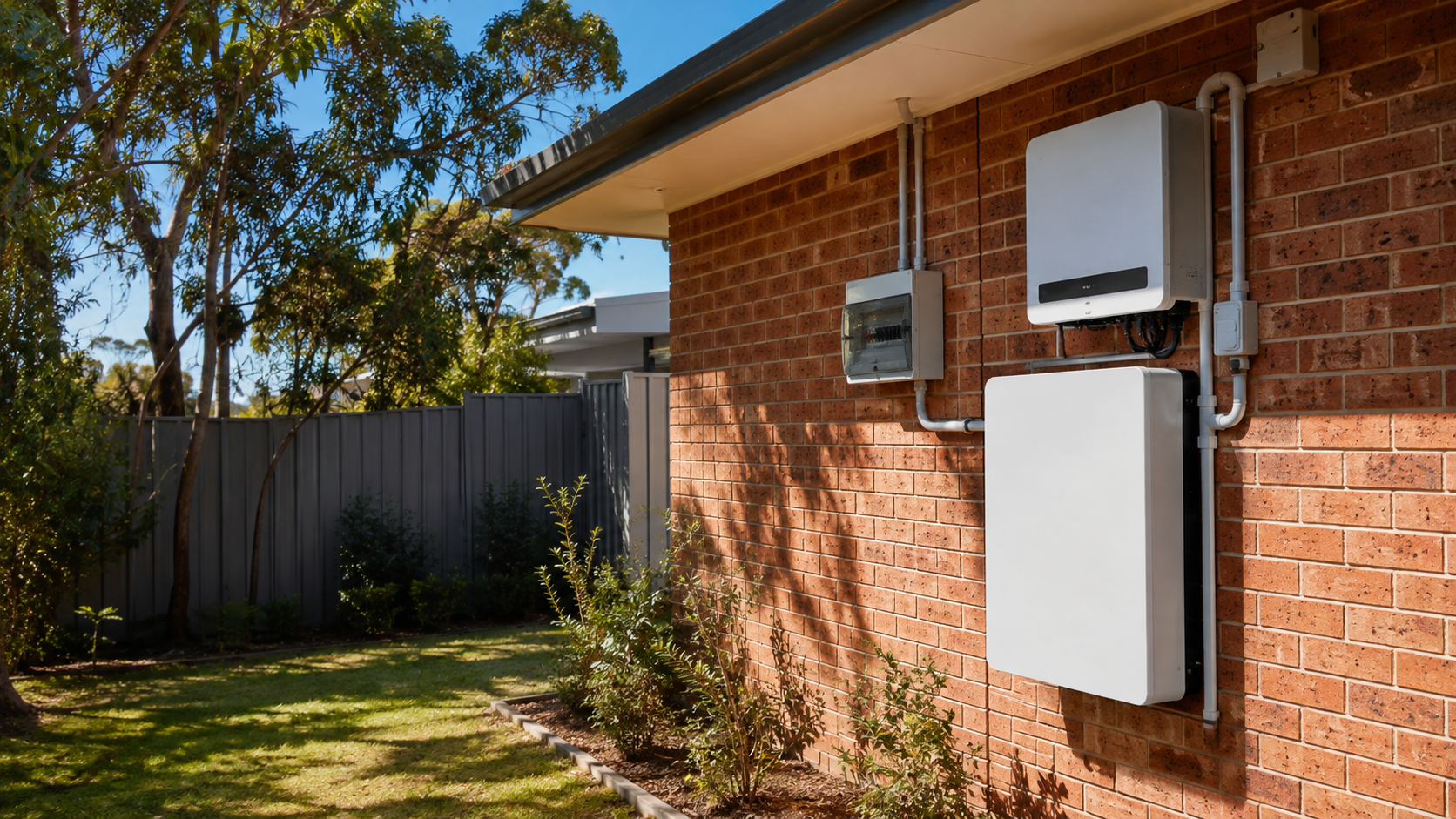
A common assumption: if a home battery is “end of life”, every cell inside it is finished. In practice, degradation isn’t uniform. One or two failed cells can drag down the performance of an otherwise usable pack. When the pack is retired and disassembled, the picture changes cell by cell.

That’s the reason cell-level diagnostics exist: to separate what’s finished from what isn’t.

Have Questions? Call Us +61 421 652 132

Chemistries We Recover

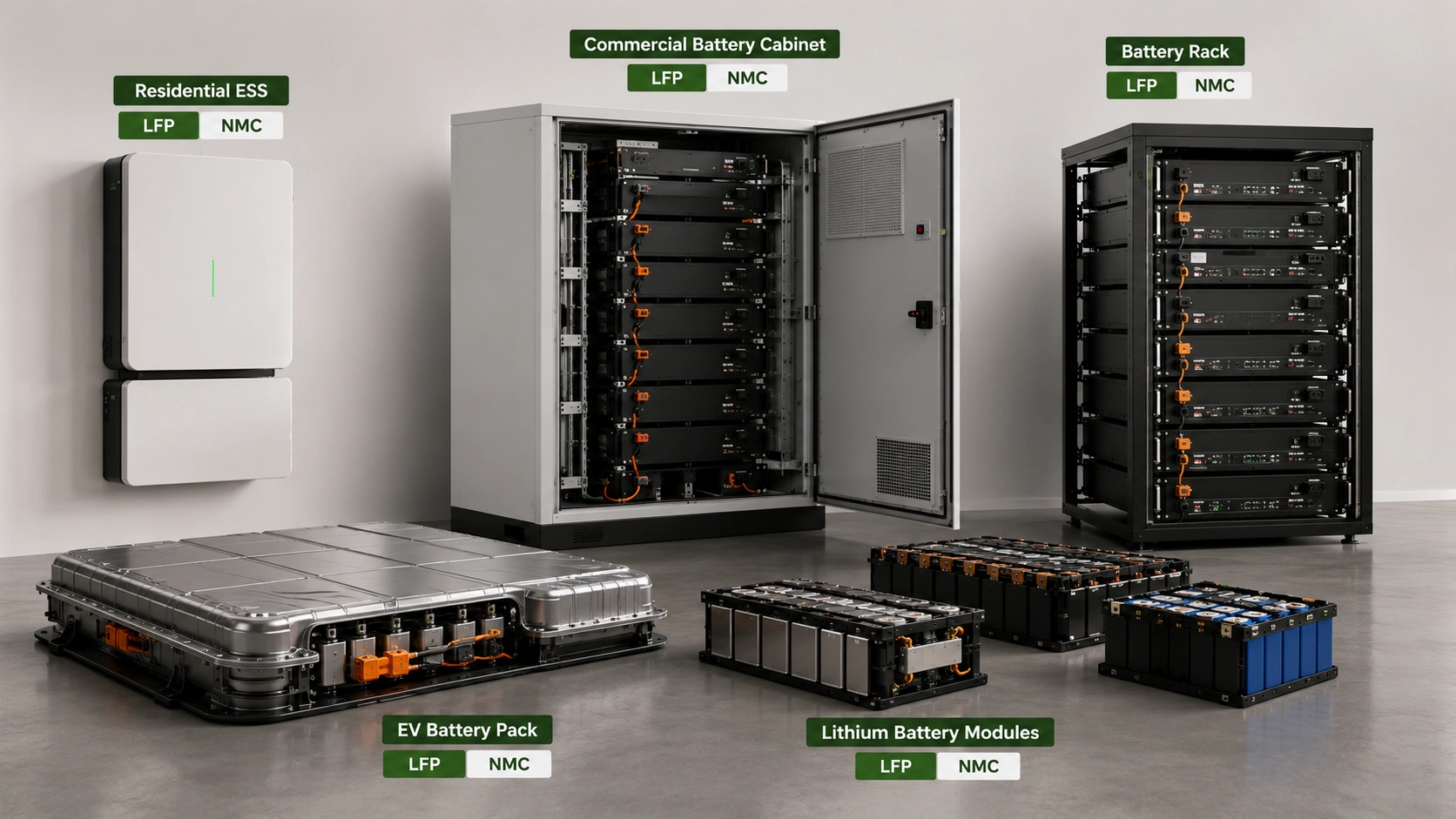
LFP / LiFePO₄ (Lithium Iron Phosphate)

Our primary specialty, and the chemistry most common in Australian home and commercial ESS.

NMC (Lithium Nickel Manganese Cobalt Oxide)

Including EV packs and some commercial ESS.

FAQ Preview

We can't promise reuse for any specific battery until it's been assessed. Whether cells inside it are recoverable depends on their measured condition, not the label on the pack.

Recovered cells are made available through our parent brand, BESS Australia, for pack builders, engineers, and R&D teams.

They're routed to approved recycling partners who handle lithium battery material streams responsibly.

Yes — you receive documentation of the outcome, including how many cells were recovered and how many went to recycling.

Collection Request

Retire Your Battery the Honest Way

Submit a Collection Request. We’ll assess your battery, recover what can be recovered, and responsibly recycle what can’t — with documentation from pickup to final outcome.

    Recent Articles

    Our Latest Blog

    Sed ut perspiciatis unde omnis iste natus error sit voluptatem accusantium doloremque laudantium, totam rem aperiam, eaque ipsa quae ab illo inventore veritatis et quasi architecto beatae vitae dicta sunt explicabo.
    How to Dispose of a Home Battery in Sydney

    How to Dispose of a Home Battery in Sydney

    Retired home battery in Sydney? Why kerbside and skip bins aren't an…

    Battery Recovery vs Battery Recycling: What’s the Difference?

    Battery Recovery vs Battery Recycling: What’s the Difference?

    Recovery and recycling aren't the same thing. How cell-level recovery differs from…
    Exploring the Latest Innovations in Solar Technology

    Exploring the Latest Innovations in Solar Technology

    Retired LFP battery? Here's what happens at each stage — collection, transport,…